As Tunisian olive groves are covered with nets, the olive oil sector holds its breath. Tunisia, the world’s third-largest producer of olive oil, is preparing for what promises to be an exceptional 2025 season. The paradox is even more striking: an abundant harvest, estimated at 340,000 tons of oil, is accompanied by a sharp drop in prices, worrying even the smallest producers. Behind these figures lies a complex reality, linking economic and structural issues. This puts the inner workings of the upcoming, tense olive oil season under the microscope.
Tunisian olive cultivation: a heritage of diversity
With approximately 1.8 million hectares of olive groves, Tunisia is a veritable museum of olive biodiversity (source: Ministry of Agriculture). This varietal richness, shaped by the terroir, is its primary asset:
- Northwest (Beja, Bizerte): The Chétoui reigns supreme, offering a fruity, powerful and slightly bitter oil, highly sought after by consumers.
- Central region (Sfax, Kairouan): The Chemlali variety, adapted to harsh conditions, produces a mild and balanced oil, important for export..
- South (Kebili, Tozeur): The Zarrazi variety is very resistant to drought, offering a subtle and light oil.
- Mountains of (Djebba, Thala): Local varieties such as Chemlali, Gerboui or Sayali produce rare aromatic oils.
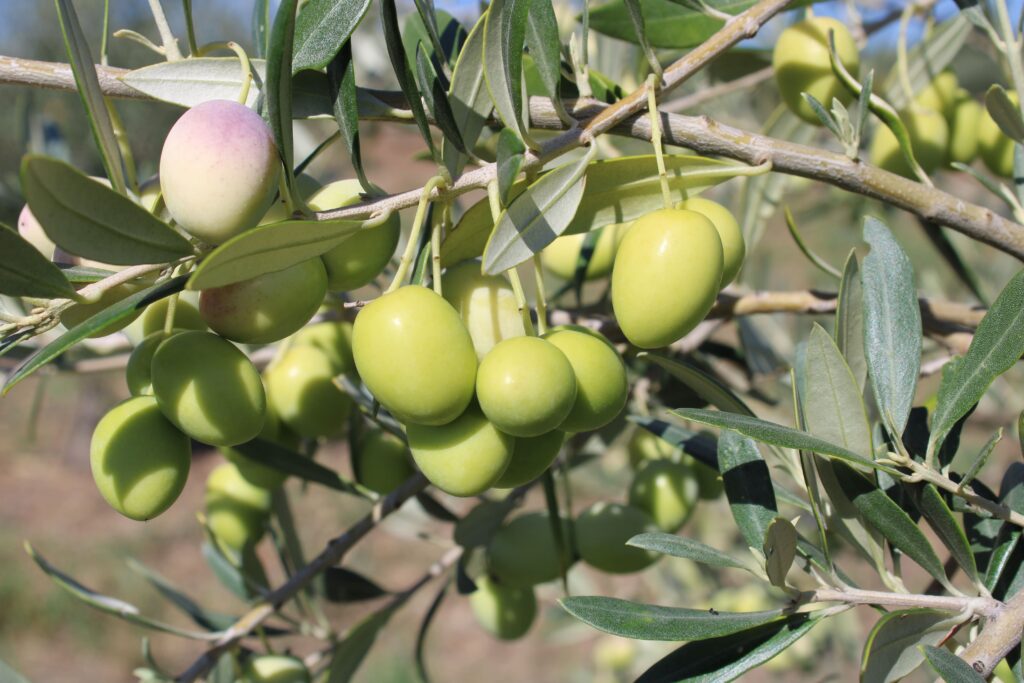
Production 2025: Why be afraid of abundance
According to forecasts the National Oil Office (ONH), the 2024/2025 harvest is expected to reach a record 340,000 tons of olive oil (source: ONH). Such abundance, normally a cause for celebration, is nonetheless creating unavoidable pressure on the market. On the domestic market, the price of olive oil has fallen to around 13–14 dinars per liter, a drop of nearly 50% compared to the previous year. For farmers, the calculation is harsh: production costs (labor, inputs, transportation) are rising, while the selling price is plummeting.
Storage and Logistics: The Silent Crisis
This highly anticipated production, considered historic, highlights a major structural flaw : the abundant lack of storage capacity. The tanks belonging to the ONH and private entities are incapable of storing such a volume. As summarized by the Tunisian Farmers’ Union in the columns of The Maghreb Economist : “The Olive Oil Board is unable to absorb a harvest of 1.7 million tons of olives.” This oversupply forces producers to sell urgently, often at a loss, to prevent the oil from spoiling. It’s a vicious cycle that’s difficult to control: overproduction leads to panic selling, which causes prices to plummet and impoverishes producers.
Valuation: The Path to Profitability
Faced with this situation, the only lasting solution is tocreate more value with each liter of oil produced. The main challenge remains the dependence on bulk exports. Mohamed Nasraoui, The head of exports at ONH confirms: “We need to diversify our markets, particularly in Africa and Asia, to avoid excessive dependence on the European Union.” (The Tunisian Press).
But geographical diversification is not enough. The main objective is to package and sell the oil under a Tunisian brand.
Mariem Gharsallaoui, An expert in the olive oil sector insists: “It is essential to strengthen the quality, traceability and value of the product at the national level before targeting international markets.” (The Tunisian Press). The development of AOP/IGP, oilbiological Sustainable agricultural practices (hand-picking, rapid crushing) are becoming crucial to repositioning Tunisian olive oil in the global premium range.
Climate Change: The Sword of Damocles
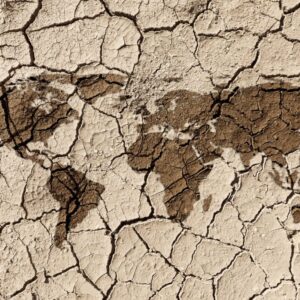
Even worse, an even more serious threat is looming: climate change. The olive tree is already suffering the effects of water stress. prolonged droughts and irregular winters. The Tunisian scientific community is exploring the use of varieties drought resistant (like the Zarazi) and the generalization of water-saving irrigation systems. These adaptations are no longer options, but conditions for the long-term survival of the sector.
Xylella Fastidiosa : Maximum Vigilance
In addition, there is another threat, this time from the outside: the bacteriumXylella fastidiosa. While Tunisia remains officially free of the disease, agricultural authorities are maintaining close surveillance.
Preventive measures are in place: rigorous control of imported plants, training for farmers in symptom detection, and cooperation with European plant health diagnostic laboratories.
As the article reminds us “The serial killer Xylella fastidiosa: the Ebola of olive trees”, This bacterium, already responsible for devastation in Italy and Spain, represents a silent but very real threat to Tunisian olive groves. Prevention remains the best defense: an accidental introduction ofXylella would be a disaster for the national olive oil heritage. The 2025 olive harvest could well mark a turning point for the Tunisian sector. Faced with this paradox of abundance leading to impoverishment, it is crucial to invest in the stockage, to strengthen the traçabilité and to build a strong identity around the “Tunisian Olive Oil” on the world stage. The olive tree, an ancient symbol of peace and resilience, deserves our collective commitment so that every drop of oil not only has traditional know-how, but also a vision of a sustainable future.
Frequently Asked Questions about the Tunisian Olive Oil Sector
Q : Why have olive oil prices fallen so much this year?
R : Supply far exceeds demand. The record harvest has saturated the market, while local demand remains limited and production costs are high.
Q :What is the most widely cultivated olive variety in Tunisia?
R : The Chemlali, especially in the Sfax region, for its good adaptation to drought.
Q : Does Tunisia export all of its oil?
R : No. A portion is consumed locally, but the majority is exported, often bulk, to be repackaged under European brands, which reduces national added value.
Q :What is the government doing to help producers?
R : The ONH buys a portion of the production to store it and regulate the market, but its capacity is limited. Discussions are underway to strengthen support mechanisms and modernize infrastructure.
Q : What is the main challenge for the future?
R : Moving from a strategy of volume to a strategy ofvalue : focus on quality, packaging, Tunisian brands and certifications of origin.
References:
- Ministry of Agriculture, Water Resources and Fisheries (Tunisia) – Statistical data on the national olive-growing area and varietal distribution.
http://www.agriculture.tn - National Oil Office (ONH) – Official estimates of olive production 2024/2025 and market price trends.
http://www.onh.com.tn - The Maghreb economist – Statements from the Tunisian Farmers’ Union regarding the limits of national storage capacities (September 2025 edition).
https://www.leconomistemaghrebin.com - The Tunisian Press – Interview with Mohamed Nasraoui (ONH) on the diversification of export markets and quote from Mariem Gharsallaoui, expert in the olive oil sector.
https://lapresse.tn - Blue TN – “The serial killer Xylella fastidiosa: the Ebola of olive trees”, article de Suivi détaillé du plan de prévention contre la Xylella fastidiosa en Tunisie.
https://bluetunisia.com/the-serial-killer-xylella-fastidiosa-the-ebola-of-olive-trees/ - FAO (Organisation des Nations Unies pour l’alimentation et l’agriculture) – Données mondiales sur la production d’huile d’olive et analyses climatiques régionales.
https://www.fao.org - Institut National de la Météorologie (INM) – Rapports climatiques 2024–2025 sur les épisodes de sécheresse et le stress hydrique affectant les oliveraies tunisiennes.
http://www.meteo.tn
Copyright © 2025 Blue Tunisia. Tous droits réservés