On the occasion of World Water Day, celebrated on March 26, 2026, Tunisia reaffirmed a clear policy direction: moving beyond a scarcity-management approach toward one grounded in governance, digitalization and innovation.
Through the launch of a digital platform dedicated to borehole permits and the spotlighting of water-saving agricultural initiatives, the country is working to redefine its relationship with a resource that has become strategic.
Tunisia’s Water Crisis Turns a Vital Resource Into a Strategic National Priority
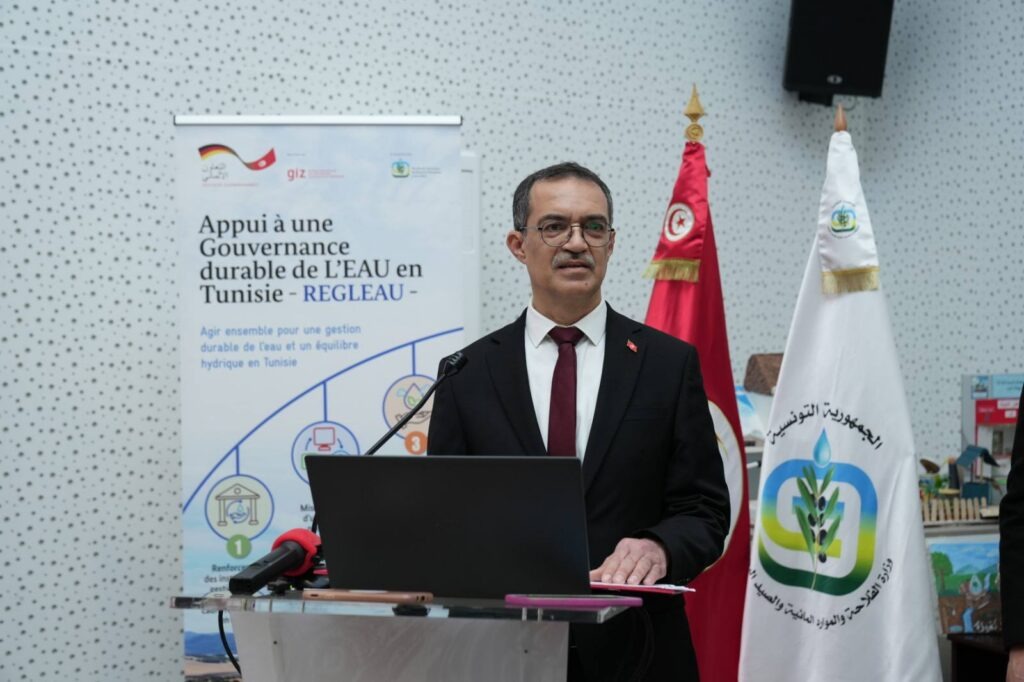
On March 26, 2026, Tunisia’s Ministry of Agriculture, Water Resources and Fisheries marked World Water Day with an official event held under the slogan: “Water: A Source of Equality”. Beyond the symbolic significance of the celebration, the event highlighted the scale of the water challenge Tunisia is now facing.
The central message delivered by the Minister of Agriculture, Ezzedine Ben Cheikh, was unequivocal: water can no longer be treated as a purely technical matter. Against a backdropof prolonged drought, rising demand and the accelerating effects of climate change, the issue now carries a strategic dimension tied to governance, national resilience and the country’s ability to anticipate future risks. In this context, the minister stressed that Tunisia’s water policy is aligned with the Sustainable Development Goals, particularly SDG 6, which focuses on sustainable access to water and sanitation services.
The official remarks also underscored another key reality: water scarcity is not socially neutral. Rural women are among the first groups affected by the crisis, even as they play a fundamental role in the management, preservation and daily use of water resources. The event clearly emphasized this gender dimension, placing it at the heart of the current water crisis analysis.
Every Drop Counts
Tunisia has gone through a particularly sensitive period, marked by nine years of drought and by the shift of climate change from a future threat to an already established reality. In this new context, water management is no longer simply a matter of resource administration; it calls for a profound change in both political and civic culture.
The transformation required does not rely solely on public policy or technical tools. It also requires a broader cultural shift in which every drop of water becomes a shared responsibility between the state, institutions and citizens. This is a powerful formulation that reflects the spirit of the new doctrine: water is no longer an assumed given, but a matter of constant trade-offs.
Boreholes , Permits , Administration : Tunisia Bets on Digitalization
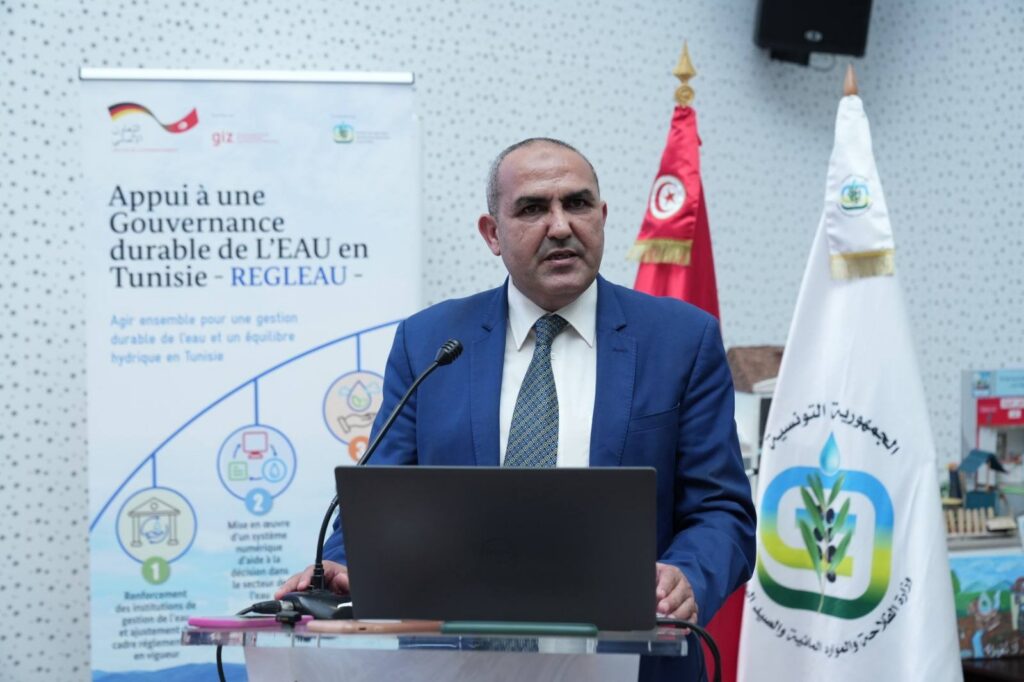
Among the main announcements made on World Water Day was the launch of a new digital platform dedicated to the management of public water resources. Presented by Moez Sliti, Director General of the Governance Unit at the Ministry of Agriculture and coordinator of the project “Governance and Corruption Risk Management in the Water Sector,” the platform was designed to manage permits related to groundwater exploration, well drilling and their operation.
The initiative is part of the state’s broader digital transformation drive. It pursues a dual objective: simplifying administrative procedures while strengthening governance in a particularly sensitive sector. The platform is expected to reduce processing times from one year to just 21 days, while creating a unified database aimed at improving transparency, administrative efficiency and the long-term protection of water resources.
Another notable development is that the system is fully digitized and accessible remotely. Applicants will no longer need to travel to administrative offices to submittheir files, which can now be sent by phone. This marks a significant shift in the relationship between public administration, users and water resources.
From the Field : A Tunisian Farmer Reinvents Water Saving
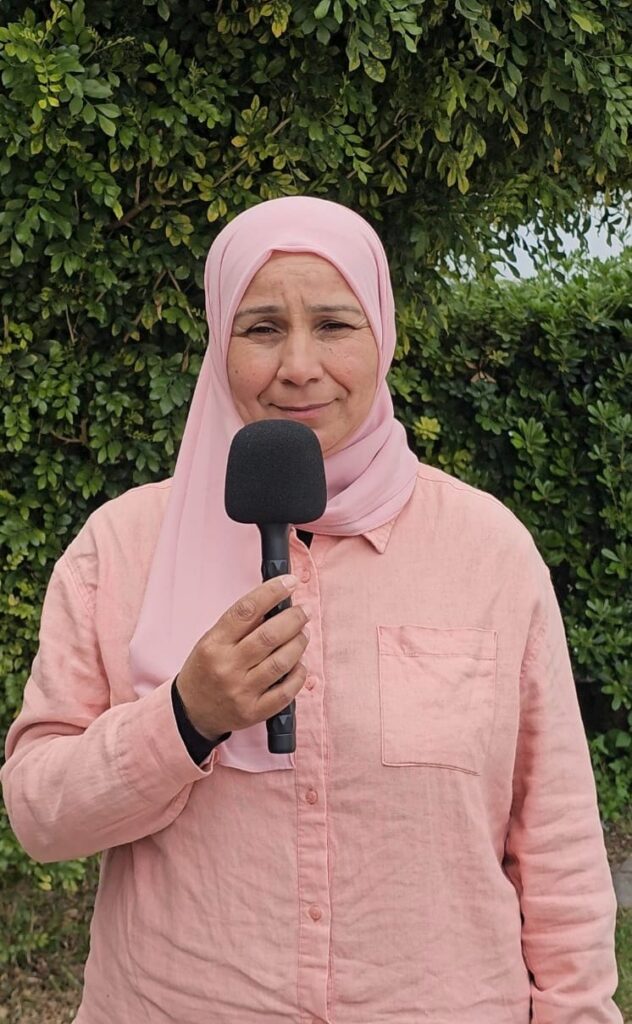
One of the most striking aspects of the event was the spotlight placed on initiatives led by women farmers. Among them was Mounira Alaoui, a farmer and project leader in water conservation, who presented an innovative experiment based on the technique known as “jar irrigation”. It is the first experience of its kind in her region.
The system relies on a 1,300-liter water tank capable of irrigating up to 100 trees in 24 hours. Low-cost and highly efficient, the method is said to have reduced water consumption by as much as 60%. At a time when drought is no longer the exception but increasingly the norm, this kind of local experimentation shows that innovation in water management is not confined to ministries or digital platforms, but also takes shape in the field, closest to agricultural realities.
Water governance: Tunisia enters an era of decisive choices
By the end of this Tunisia Water Day, one conclusion stood out: the water issue in Tunisia now extends far beyond the environmental sphere alone. It has become a real test of governance, territorial equity, administrative efficiency and collective responsibility. As the country enters a phase of water scarcity, every decision made today will have a direct impact on the future.
The initiatives presented by the Ministry of Agriculture therefore outline the contours of a new direction: digitizing procedures, reducing delays, strengthening transparency and encouraging practical, field-driven solutions.